
Returning from Africa with hope
Sometimes a journey takes you deeper than expected. That was certainly true of these three weeks in Africa, which were full of challenges, surprises, and moments of hope. Here is an insight into what I experienced.
Hello!
Yes, I arrived safely in Switzerland on Monday, November 17. As always, I returned with many impressions, and I would like to share a few of them here. If you would like more details or have any questions, just send me an email.
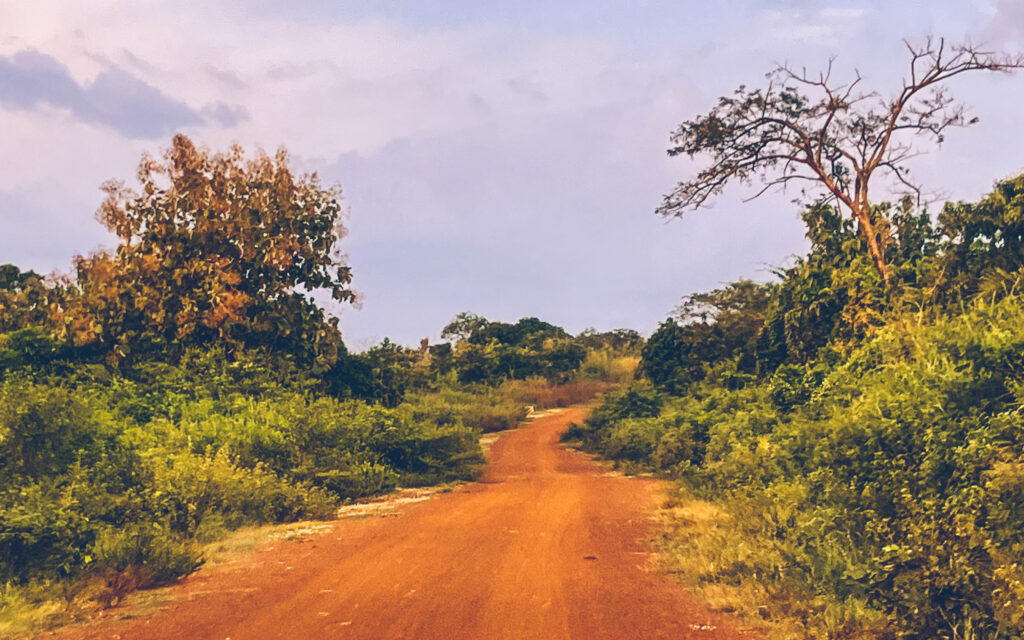
Africa remains turbulent, complicated, and yet full of hope! Africa continues to be plagued by real scourges and tragedies. Even a three-week visit and various encounters in just a few countries were enough to remind me vividly of scourges such as injustice, violence, counterproductive systems, political instability, persistent poverty, and an overwhelming sense of hopelessness.
My trip to Togo got off to a rather bumpy start when I suddenly realized at the airport in Kigali that the bilateral travel agreements in Togo were no longer valid. No more express visas at the airport. I had to apply for one immediately, and it took four days for the application to be approved.
But during that waiting period, I came down with a severe flu that felt like a mixture of malaria and Covid. Fortunately, I was allowed to stay with my sister in Kigali, and her family took good care of me. So the trip via Rwanda turned out to be God's plan. What a clear reminder of God's providence!
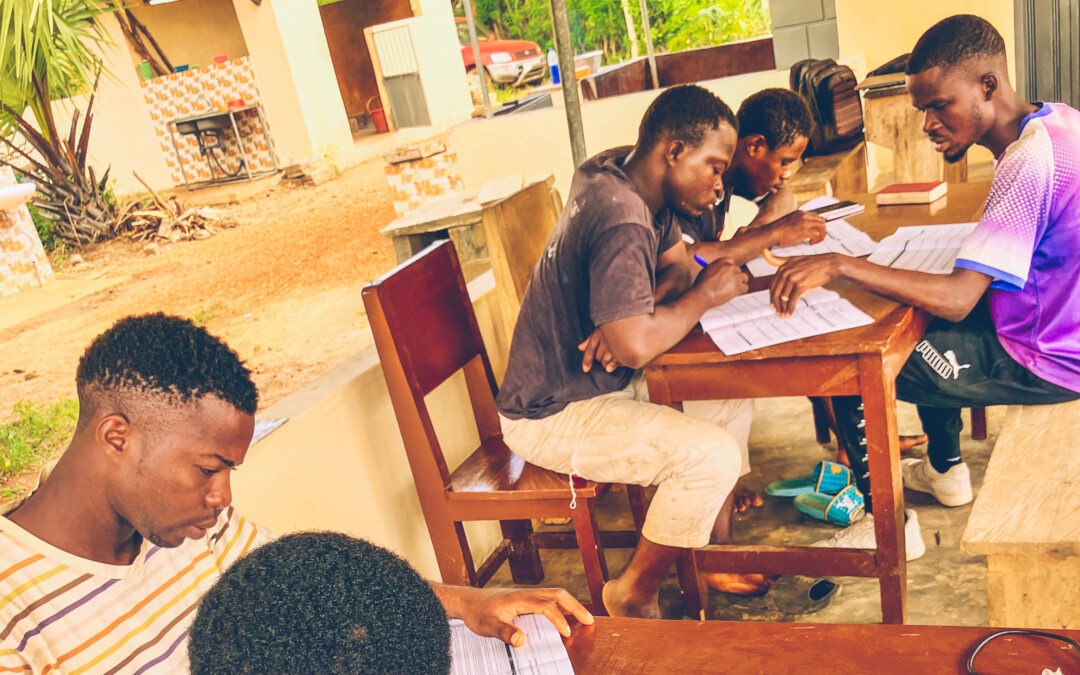
But when I finally arrived in Togo, everything went very well. The visit to a Togolese colleague in central Togo was particularly inspiring. One of his many tasks is to train future farmers. It was encouraging to talk to the seven young men who had just completed a nine-month agricultural course. They confidently showed me what they had learned about growing vegetables and fruit and raising small livestock. They presented plans for their planned microfarm projects. I had the opportunity to encourage them to analyze the market and plan well in order to make their microfarms profitable.
I saw so much potential and was once again impressed by the realization that they could make a difference in their home regions if they received the necessary resources to implement their projects. The kind of support they need is exactly what we at PLENTIFUL GARDEN want to provide.
When I returned to Rwanda a week later, I did the same with two men from the eastern Democratic Republic of Congo. Despite all the major challenges they face, they are motivated to train others and help them set up urban farming projects to feed their families, sell nutritious food throughout the city of Bukavu, and improve their livelihoods holistically. I hope that we can enable them to realize some of these dreams there in 2026.
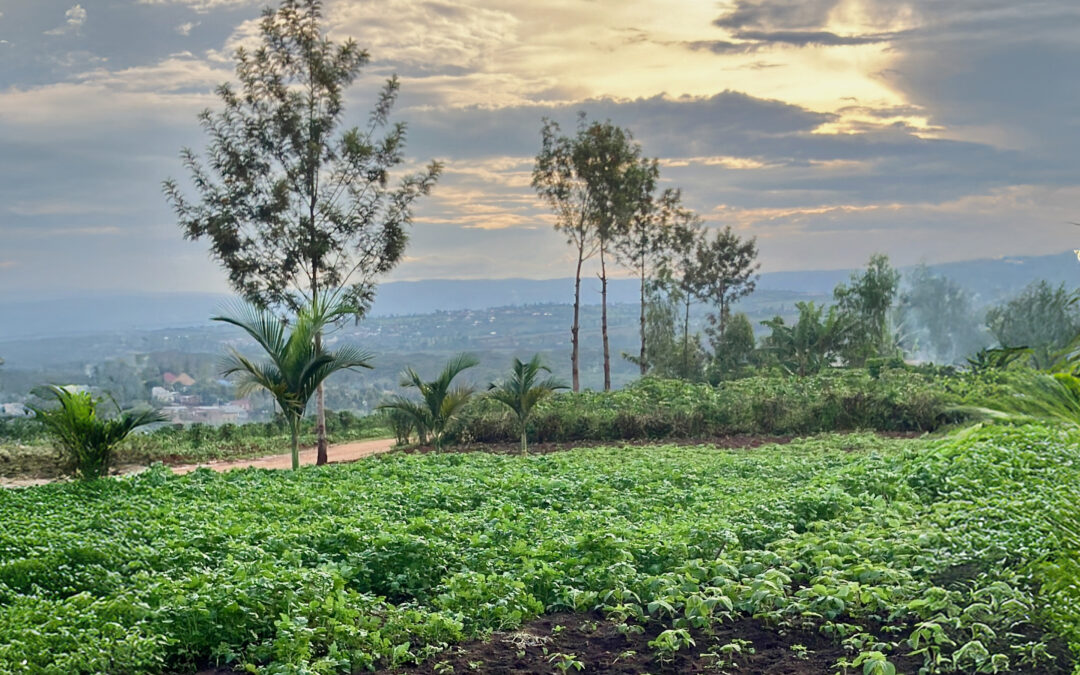
My stay in Rwanda naturally gave me the opportunity to visit our small farm in the east of the country, where my brother and I were able to sow thousands of new seeds… seeds of pasture grasses and various multipurpose trees.
Many thanks to everyone who prayed for me during this whole endeavor.
Translated with DeepL.com (free version)

"Seit 1962 entwickeln sich die Change Camps stetig weiter. Sie verbinden tiefe Gemeinschaft, starke Gotteserfahrungen und das Eintauchen in andere Kulturen. Durch kreative Outreaches mit Sport, praktischen Einsätzen, Worship und Prayer Walks wachsen wir in einen evangelistischen Lebensstil. Unsere Vision ist, Jesus in verschiedenen Nationen bekannt zu machen und Jugendliche für ein Leben zu begeistern, das Gott ehrt. Wir wollen lokale Kirchen unterstützen und ein Segen für Menschen vor Ort sein. Ein Change Camp soll das Leben der Teilnehmenden nachhaltig verändern, ihr Herz neu für Gott entfachen und sie mit Leidenschaft für Mitmenschen, Regionen und Nationen erfüllen – damit sie diese Begeisterung auch in ihren Alltag tragen."
Tu souhaites soutenir financièrement le projet ?
PC-Nr. 30-26890-3 | IBAN CH69 0900 0000 3002 6890 3
Mention : projekt